
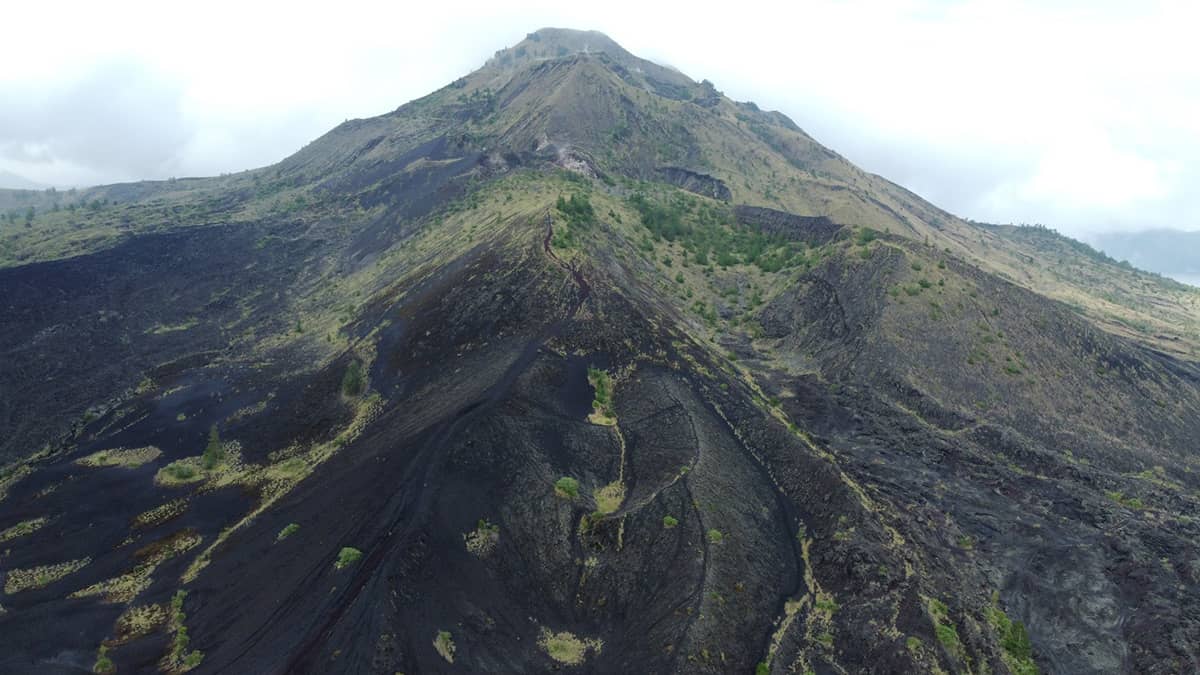
Riding the black lava of Mt. Batur is as surreal as it is fun. Nestled in the heart of Bali, the Mt. Batur area offers a thrilling off-road adventure that beckons dirt bike enthusiasts from around the globe. This unique volcanic terrain, characterised by rugged volcanic rock and soft black volcanic silt, provides an exhilarating riding experience unlike any other.
Getting to Mt. Batur
To embark on this adventure, you first need to get to Mt. Batur in Kintamani. Located in the northeastern part of Bali, the journey to Mt. Batur is relatively straightforward. From Ubud, a popular tourist destination, it’s about an hour ride. The route takes you through scenic landscapes and quaint Balinese villages. For precise navigation, refer to the embedded Google Map in this guide.

The Unique Terrain of Mt. Batur
The terrain of Mt. Batur is a blend of harsh volcanic rock and softer volcanic silt. The black lava fields, remnants of past eruptions, create a dramatic and otherworldly landscape. Riding here is akin to traversing a moonscape, with the dark, craggy rocks contrasting starkly against the lush greenery of the surrounding area.

The volcanic rock is tough and unforgiving, requiring both skill and proper equipment to navigate safely. The black volcanic silt, on the other hand, is softer and more akin to riding on sand. It demands a bit more horsepower and a keen sense of balance to manage the bike effectively, especially as you climb the various undulations of the volcano.
Essential Gear for the Ride
To tackle the black lava of Mt. Batur, having the right gear is essential. Proper off-road tires are a must. These tires provide the necessary grip and durability to handle the rough volcanic rock and the slippery silt. Without them, you risk frequent slips and potential damage to your bike.

Additionally, a dirt bike with a bit more horsepower is advantageous. The soft volcanic silt can bog down a bike with insufficient power, making it difficult to ascend the steeper sections of the terrain. Equally important is the safety gear. A high-quality helmet, gloves, knee and elbow guards, and a sturdy pair of boots are non-negotiable. The unpredictable nature of the volcanic landscape means that falls and scrapes are a real possibility.
The Riding Experience
Riding on Mt. Batur is a test of skill and endurance. The harsh volcanic rock challenges your ability to navigate sharp edges and uneven surfaces. Meanwhile, the black volcanic silt requires finesse and power, as it’s easy to lose traction and get stuck.
The feeling of riding on the volcanic silt is akin to riding on sand but with an added challenge. The silt can shift unexpectedly under your tires, requiring constant adjustments and a good balance to stay upright. The climbs are particularly demanding, as the loose surface offers little resistance, making it necessary to maintain momentum and control simultaneously.
History of Mt. Batur and Its Lava Flows
Mt. Batur is one of Bali’s most iconic volcanoes, with a history that dates back thousands of years. The volcano’s formation is a result of numerous eruptions, which have shaped the landscape into what it is today. The most significant eruption in recent history occurred in 1963, leaving behind the vast black lava fields that riders now traverse.

These eruptions have not only defined the physical landscape but have also impacted the local communities. The rich volcanic soil has made the surrounding area fertile, supporting agriculture and sustaining the local economy. The black lava flows serve as a stark reminder of the volcano’s power and the dynamic nature of Bali’s geology.
The Beauty of Kintamani
Beyond the thrill of dirt biking, Kintamani offers breathtaking views and a rich cultural experience. The area around Mt. Batur is known for its stunning vistas, with the caldera lake providing a picturesque backdrop. Local villages are steeped in Balinese culture, offering a glimpse into traditional lifestyles and practices.
Visitors can explore local markets, sample Balinese cuisine, and even take a dip in the natural hot springs that are scattered throughout the region. These attractions make Kintamani not just a destination for adventurers but also for those seeking to immerse themselves in the natural beauty and culture of Bali.
GOOGLE MAP OF ALL LOCATIONS
Aerial Photosphere
Black Lava FAQs
Is it safe to ride dirt bikes on Mt. Batur?
Yes, it is generally safe to ride dirt bikes on Mt. Batur, provided you have the right equipment and follow safety guidelines. Always wear protective gear and ensure your bike is in good condition.
The best time to visit is during the dry season, from April to October. During this period, the weather is more predictable, and the terrain is less muddy, making for a safer and more enjoyable ride.
Yes, there are several rental shops in Kintamani that offer dirt bikes and safety gear. It’s advisable to book in advance, especially during peak tourist season.
While prior off-road riding experience is beneficial, beginners can also enjoy riding on Mt. Batur with proper guidance. Consider hiring a local guide who can provide tips and ensure your safety.
Yes, there are numerous guided tour operators in Kintamani. These tours often include bike rentals, safety gear, and experienced guides who know the terrain well.
Always respect local regulations, which may include designated riding areas and environmental protections. Ensure you have any necessary permits and follow the guidance of local authorities and tour operators.


